In today’s fast paced world, convenience often comes before quality. Especially when it comes to food. But as more Americans rely on fast food and ultra processed meals, many experts are beginning to question, “Is the food we eat actually harming us?”
According to recent data from the CDC, about 32% to 36.6% of American adults consume fast food on any given day. That means roughly 1 in 3 adults are regularly eating meals that are often high in sugar, salt, unhealthy fats, and artificial ingredients. While these foods are quick and affordable, they may come at a serious cost to our health.
Ultra-processed foods now dominate the American diet. These include items like chips, soda, frozen meals, and packaged snacks. They are often designed to taste good and last longer on shelves, but they also contain thousands of additives. Many of which are not fully understood by consumers.
Added sugars are another major concern. Studies show that Americans consume far more sugar than recommended, which has been linked to obesity, diabetes, and heart disease. In fact, diet related diseases are now among the leading causes of death in the United States.
Many critics argue that the ingredients in American food are part of the problem. From pesticides used in agriculture to antibiotics and hormones in meat production, chemicals are present at many stages of the food system. While these substances are regulated, some people question whether current standards do enough to protect consumers.
Not everyone has equal access to healthy food. In some areas, known as “food deserts,” fresh fruits and vegetables are hard to find, while fast food is everywhere. This creates a cycle where convenience and cost push people toward less nutritious choices.
There is growing debate over whether the government should step in with stricter regulations, similar to those placed on tobacco products. Some countries in Europe have already banned certain additives that are still allowed in the United States.
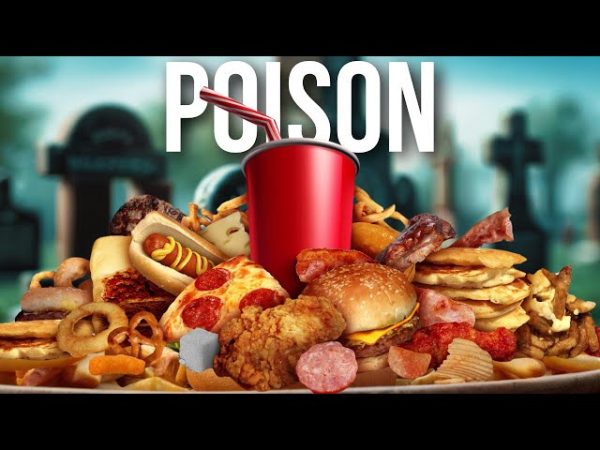
However, not everyone agrees that food should be labeled as “poison.” Many experts argue that moderation is key. As the saying goes, “the dose makes the poison,” meaning that even unhealthy foods can be safe when consumed in small amounts.
While it may be extreme to call all American food “poison,” there is no doubt that the current food system raises serious concerns. From processed ingredients to limited access to healthy options. The choices we make about food can have lasting effects on our bodies and the environment.
As consumers, the most important takeaway may be this, pjrioritize quality over convenience. Understanding what’s in our food and how it affects us is the first step toward making healthier decisions.