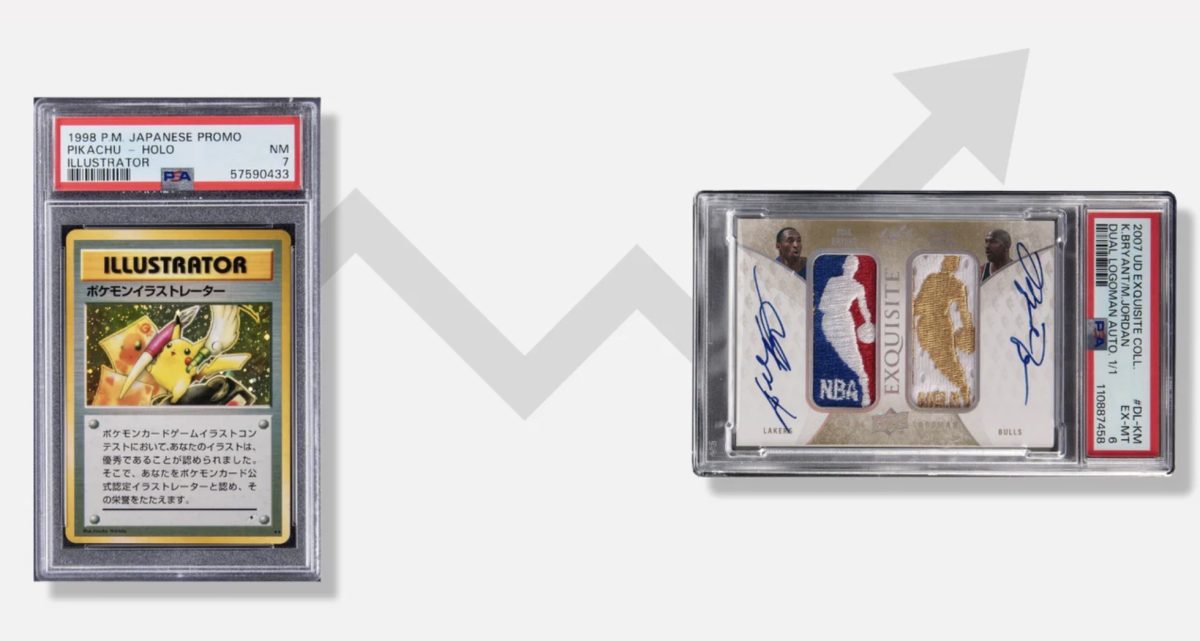
The transformation of Trading Card Games (TCGs) and sports cards from childhood hobbies into a legitimate alternative asset class has accelerated significantly in recent years. What were once mere pieces of cardboard are now viewed by institutional and retail investors as tangible assets with low correlation to traditional financial markets like stocks and bonds. As of 2026, the broader U.S. trading card market is estimated to be worth nearly $15 billion, with projections suggesting the global market could reach over $90 billion by 2032. This shift is driven by the recognition that rare, high-grade cards can provide significant returns, with some “blue-chip” examples even outperforming the S&P 500.
The financialization of this sector relies heavily on scarcity and professional authentication. Grading services like PSA and Beckett provide standardized condition assessments, which act as a vital bridge for trust in high-value transactions. For example, a 1952 Mickey Mantle card sold for $12.6 million in 2022, and a rare Pokémon card reached nearly $7 million in early 2026. These record-breaking sales highlight a “quality over quantity” investment strategy where capital concentrates in low-population, vintage pieces or rare modern inserts rather than mass-produced base cards.
Technological innovation has further increased the velocity and liquidity of these assets. Platforms like eBay, StockX, and Fanatics have revolutionized the secondary market by providing real-time pricing data and instant-liquidity vaults. Additionally, the rise of “fractional ownership” allows multiple investors to buy shares in a single million-dollar card, democratizing access to the market’s highest tier. While risks like market volatility and overproduction (the “Junk Wax 2.0” era) remain, the integration of blockchain for digital verification and the entry of high-net-worth collectors have firmly established cards as a cornerstone of the modern alternative investment landscape.